Technology

XRF

X-ray fluorescence (XRF) is a non-destructive analytical technique that identifies and quantifies the elements present in a material by irradiating it with X-rays.

X-Ray

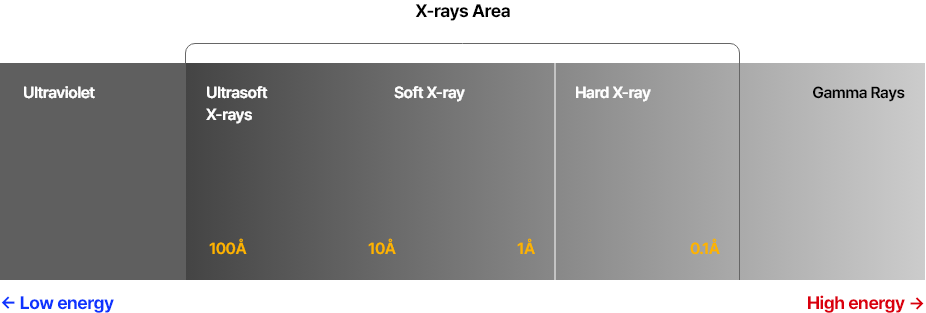
X-rays are electromagnetic waves with very short wavelengths (0.01–10 nm) and high energy.

  • X-rays sit at the short-wavelength, high-energy end of the electromagnetic spectrum (0.01–10 nm).
  • X-rays were discovered by Wilhelm Conrad Röntgen in 1895 and have since become an essential tool in medicine, scientific research and industry.
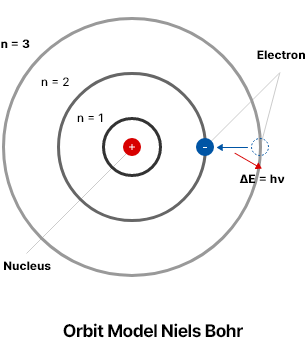
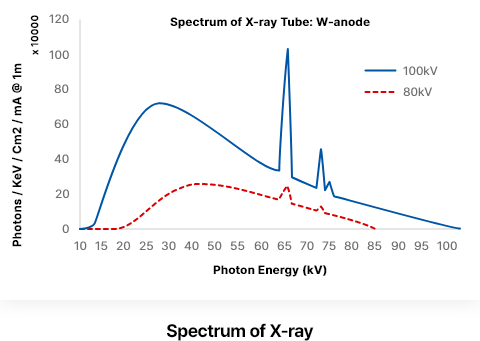
  • X-rays are generated when a high-energy electron strikes a metal target, causing energy to be emitted in the form of X-ray photons.
  • X-rays exhibit the physicochemical behaviours of absorption, diffraction, reflection and penetration.

These behaviours make a range of analytical instruments possible: the X-ray fluoroscope for imaging what the eye cannot see, XRD for analysing the crystal structure of a substance, XRF for measuring composition or thickness, and XRR for measuring thin-film thickness.

X-ray diagram

What is XRF technology?

XRF Principle

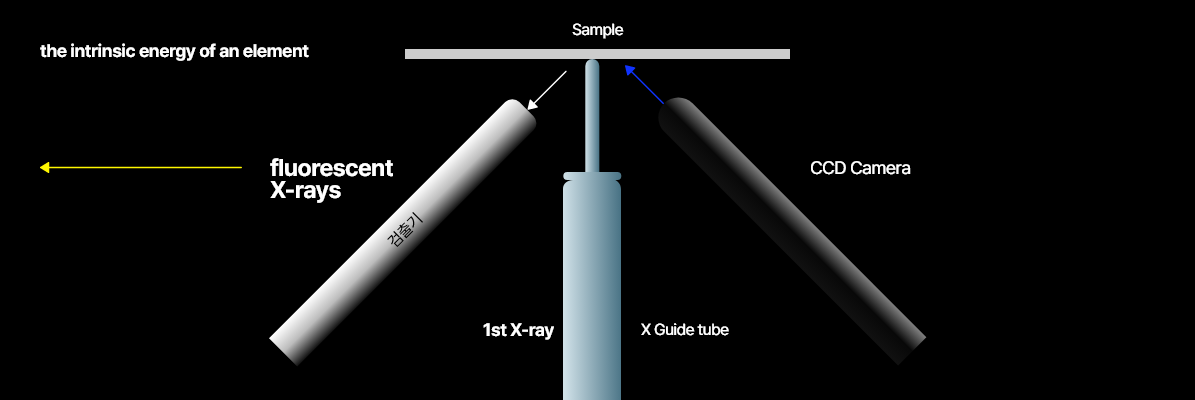
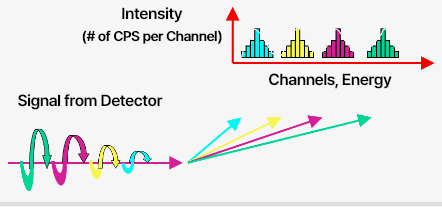
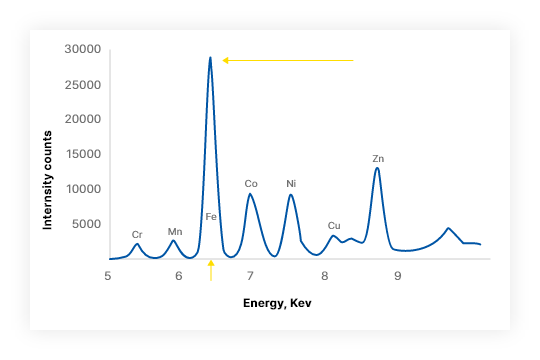
When a specimen is irradiated with X-rays, it emits fluorescent X-rays at energies characteristic of the elements it contains. Because every element produces its own characteristic energy, the composition of the material can be identified from the energies detected. The intensity of the fluorescent X-rays rises in proportion to the amount of the element present, so the concentration of each element can be determined from the number of fluorescent X-ray counts recorded.

XRF principle XRF principle

XRF Technology Classification

X-ray analysis divides into imaging techniques and spectral techniques. Imaging techniques divide in turn into traditional film-based development and digital X-ray image capture.

XRF technology classification

X-ray fluorescence analysis determines which elements are present inside a material and in what quantity. It falls into two main types.

01

Optical X-ray fluorescence analysis

Analyses the fluorescent X-rays produced when a sample is irradiated in air. Its advantages are that it requires no sample preparation and the analysis is non-destructive.

02

Electron beam X-ray fluorescence analysis

Directs an electron beam at the sample surface under vacuum. It offers high sensitivity and high resolution, which makes it well suited to surface analysis of fine particles and thin films.

XRF analysis type XRF analysis type
XRF analysis